
Before the turn of the millennium, televised antiquity was a clean affair. Togas were white. Marble was spotless. The ancient world was treated as a museum exhibit rather than a functioning, chaotic society. That visual hygiene ended when premium cable networks realised that grime sells just as well as grandeur.
Jonathan Stamp was the architect of that grime. As a BBC veteran and the primary historical consultant for the HBO and BBC co-production of Rome, he did not just verify dates or correct the pronunciations of Latin names. He fundamentally altered how a production design team conceptualised the past. Stamp shifted the historical consultant from a pedantic academic irritant into a core narrative designer.
He understood what television audiences actually wanted. They did not want a lecture. They wanted the sensory reality of a world they previously only knew through textbooks.
Jonathan Stamp is a British television producer and historical consultant best known for his work on the BBC and the HBO series Rome. He pioneered a production approach that integrated academic research directly into character development and set design, fundamentally shifting how historical dramas are constructed.
The Architecture of Grime
The traditional model for historical television involved writing a script and then hiring an expert to rubber-stamp it. That process usually resulted in consultants submitting lists of historical inaccuracies that producers would promptly ignore for the sake of pacing.
“We wanted to make a series that was completely authentic but totally unpedantic,” Stamp reportedly noted during the promotional circuit for Rome.
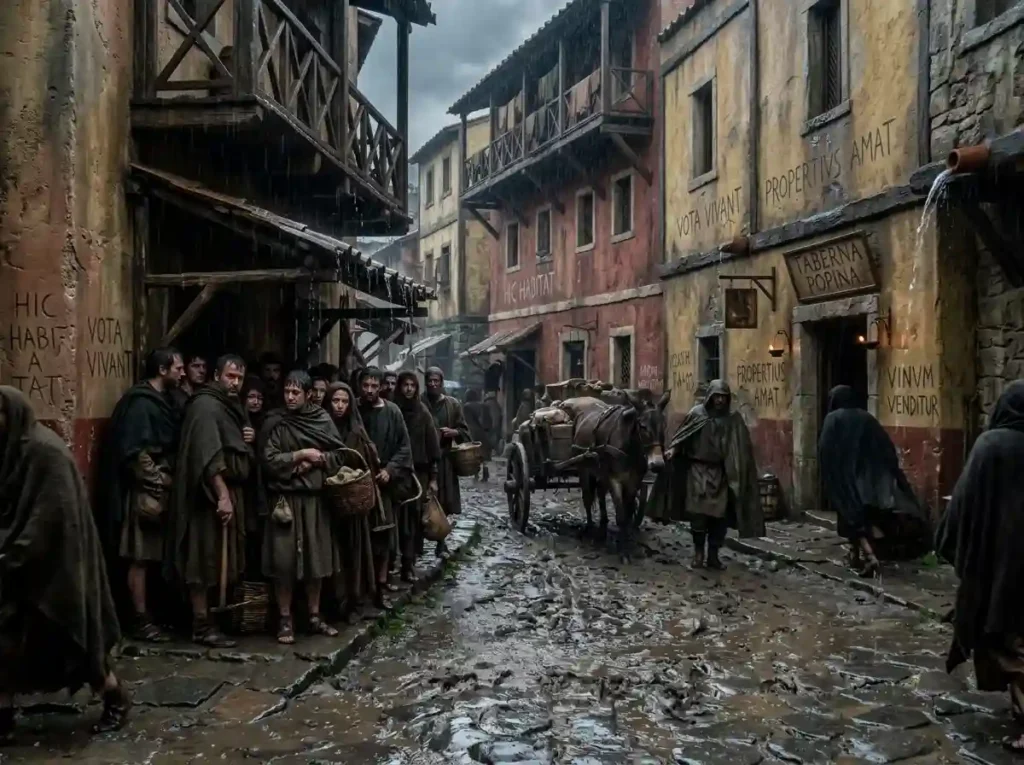
This philosophy required a structural change on set. According to production archives, Stamp was integrated into the show early in the development process. He insisted that the city of Rome be depicted as a vibrant, multicultural, and incredibly dangerous slum. The production team painted the marble. They covered the streets in mud and animal waste. They ensured the graffiti on the walls was linguistically accurate and culturally profane.
This was a calculated commercial decision just as much as an academic one. By moving away from the sanitised Hollywood versions of the Roman Republic, the showrunners created a gritty, grounded universe that felt closer to a modern crime syndicate than a classical tragedy. The authenticity became the primary marketing hook.
Surviving the Public Broadcasting Machine
Long before he was helping premium cable executives design accurate Roman brothels, Stamp navigated the institutional corridors of British public television. He spent years working on the BBC documentary series Timewatch.
That environment required a very different type of discipline. Public broadcasting demands rigorous impartiality and a strict adherence to accepted historical consensus. The BBC history department functions as a vast vetting machine, designed to educate the public without crossing into sensationalism. Working within that structure forces a producer to learn exactly where the lines of factual integrity are drawn.
It is exactly this institutional pedigree that made him so valuable to American executives. When HBO decided to spend roughly one hundred million dollars on a first season, they needed an authority figure who could defend the project against academic criticism. Stamp provided that intellectual cover. He allowed the writers to invent highly dramatised interpersonal conflicts between Julius Caesar and Pompey Magnus because he ensured the mechanics of their daily lives were historically bulletproof. The BBC training provided the armour for HBO’s theatrical excess.
The Impossible Benchmark
Every historical drama produced over the last two decades exists in the shadow of that methodology. Audiences have been trained to expect a level of granular reality that is incredibly expensive to maintain.
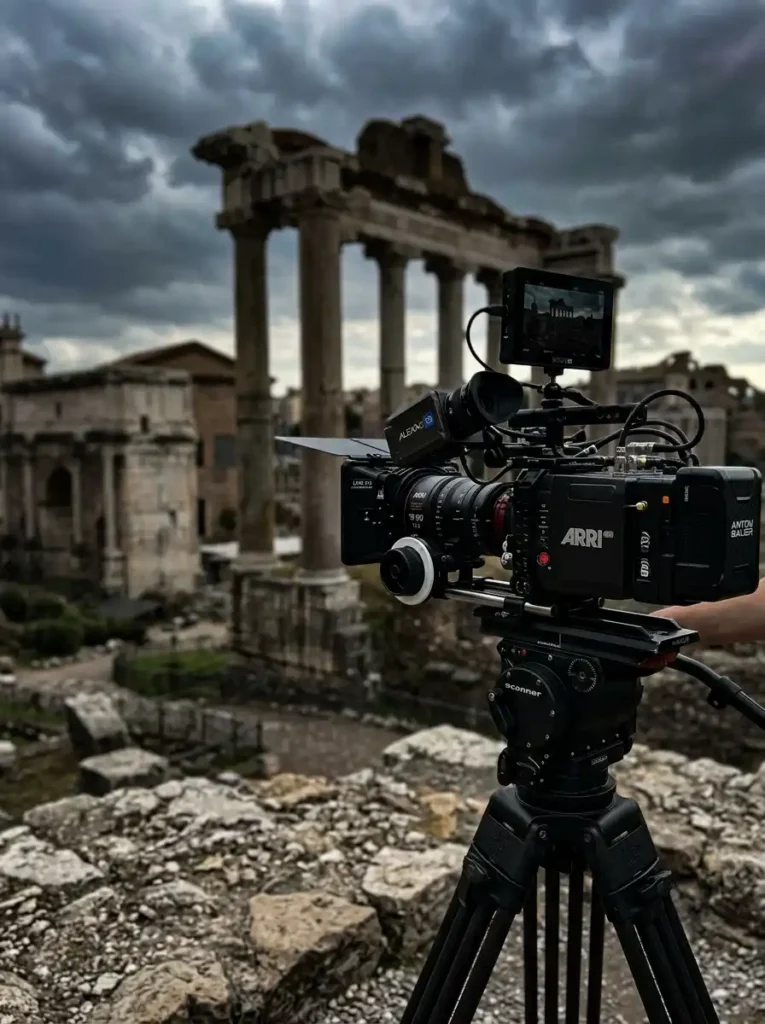
If a modern streaming service attempts a period piece with spotless costumes and empty streets, critics instantly dismiss it as cheap. The standard established by Stamp demands that the background extras engage in historically accurate labour using period-appropriate tools.
This expectation creates massive friction during budget meetings. Producers want the prestige associated with historical accuracy, but they rarely want to pay for the extensive research and custom prop manufacturing required to achieve it. Stamp proved that high-end historical consultation is not a post-production expense. It is the foundation upon which the entire visual identity of a successful show is built.
Confirmed and Assumed
The public record shows Stamp transitioning from a lengthy tenure overseeing BBC historical programming into a highly influential consulting role for international co-productions, officially framed as a natural evolution of his expertise. The broader industry reading views this trajectory as a necessary pivot from the rigid, budget-constrained world of public broadcasting into the creatively expansive and far more lucrative arena of premium cable. His departure from full-time BBC production aligns exactly with the moment when international streaming and cable networks realised that historical authenticity could be weaponised as a premium brand asset.
Frequently Asked Questions
How did Rome change historical television?
The series discarded the clean, theatrical aesthetic of mid-century Hollywood epics. By focusing on the dirt, the graffiti, and the chaotic daily lives of common soldiers alongside patricians, the production established a gritty visual standard that nearly all subsequent period dramas have adopted.
What was Jonathan Stamp’s role at the BBC?
He spent a significant portion of his career producing and directing documentaries, most notably for the flagship history strand Timewatch. This role involved translating dense academic research into accessible public programming while navigating the strict editorial guidelines of a national broadcaster.
Why do modern historical dramas focus on everyday life?
Highlighting the mundane details of ancient domestic life grounds highly dramatised political plots in reality. When viewers trust the accuracy of a character’s clothing and environment, they are far more willing to accept the invented interpersonal conflicts driving the main narrative.
Sources
- [BBC Press Office, “Timewatch programming history”] — reported 2004
- [HBO Production Archives, “Rome: Behind the Scenes featurettes”] — reported 2005
- [The Guardian, “How HBO’s Rome rebuilt the ancient city”] — reported August 2005
- [Telegraph, “Interview regarding historical accuracy in television”] — reported October 2005